





















Posted on

Feed Room Essentials this Winter

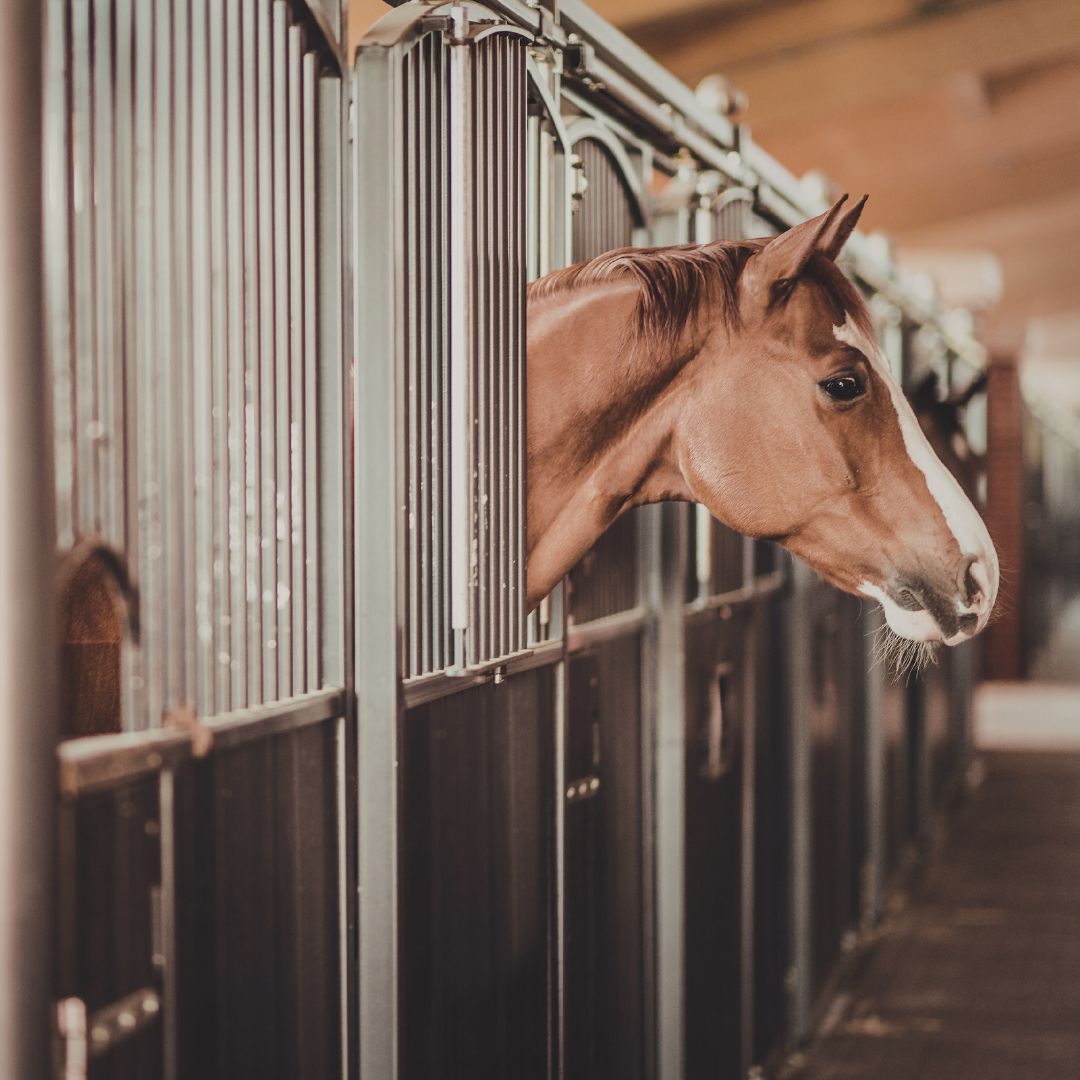
As winter sets in and temperatures begin to drop, some changes in your horse’s ration may be required in order to maintain their optimal health and condition.

In winter we are often faced with a decline in both the quality and availability of pasture, one of the largest components of our horses diets. Further to this, our horses will have natural increases in demand for energy, due to the climatic conditions. This combination can quickly become the perfect recipe for condition loss over winter. Here are our top 4 feed room essentials when it comes to winter feeding!

Hay: Pasture quality and availability naturally declines as the temperatures drop and the days get shorter, reducing the hours in which optimal growing conditions are achieved. Supplementing with hay is the best way to counteract these deficits. Whether it is feeding out each day, or providing an adlib round bale, providing hay allows our horses to not only maintain their daily roughage intake for optimal gut health (a minimum of 1% of their body weight per day should be consumed in roughage!), but its digestion and fermentation also help to raise body temperature.

Conditioning Supplement: In preparation for a decline in temperature, a horse should be in, and maintain, a healthy body condition score (3-4). Feeding for a healthy condition score will ensure a fat supply is available to cope with the increased energy requirements during the winter months. For those horses that are poor doers, or for our golden oldies, this may be easier said than done. Supplying a concentrated conditioning supplement, such as Ranvet’s Topline FX, may assist in boosting Body Condition Score. Topline FX is a premium protein and amino acid supplement, that at just 300g a day, can be added to the ration to encourage weight gain and conditioning.

Oil: During winter the energy requirements increase to allow for the additional energy needed for heat production. The use of oil within the ration is a beneficial inclusion due to its digestibility and energetic value. Oil is readily absorbed across the wall of the small intestine and utilised to fuel metabolic processes or stored in adipose tissue as body fat, acting as both a source of insulation and energy reserve for future use. Ranvet’s Grand Prix Oil® is a highly palatable blend of Omega-3, 6 & 9 fatty acids which could be added to your horse’s winter diet to increase energy intake, maintain a healthy body condition score and coat shine (even through the winter woolies!). Grand Prix Oil® contains natural garlic oil to maximise palatability and provide numerous associated benefits. It has been proposed that garlic may have respiratory health benefits such as reducing respiratory mucus and relieving coughing symptoms.

Electrolytes: Yes, you read that right! It is a common misconception that because of a reduction in temperature during winter, that electrolyte provision is not vital. When in fact, a horse will continue to sweat and lose electrolytes on a daily basis despite outside temperatures, even if it is not directly visible. Electrolytes also play a pivotal role in stimulating the thirst reflex and the subsequent intake of fluids. Decreased water temperatures in conjunction with declining electrolyte provision can pose a threat of inadequate fluid intake, a reduction in gut motility and therefore increase the risk of impaction colic. We recommend continuing to feed an electrolyte such as Ranvet’s Salkavite® daily to maintain hydration. Adding a Salt Lick in your horse’s paddock/stable is also a great way to help stimulate the thirst reflex and encourage water intake.

If you would like any further information on feeding your horse in winter, feel free to contact Ranvet’s Nutrition Team on 1800 727 217 or submit your diet for a free evaluation via our website www.ranvet.com.au/nutrition-centre/diet-evaluation/

You can find these winter essentials at your local Ag, Horse & Pet store.
Posted on

Setting up your chicken coop for success

A good chicken coop does more than provide somewhere for birds to sleep.

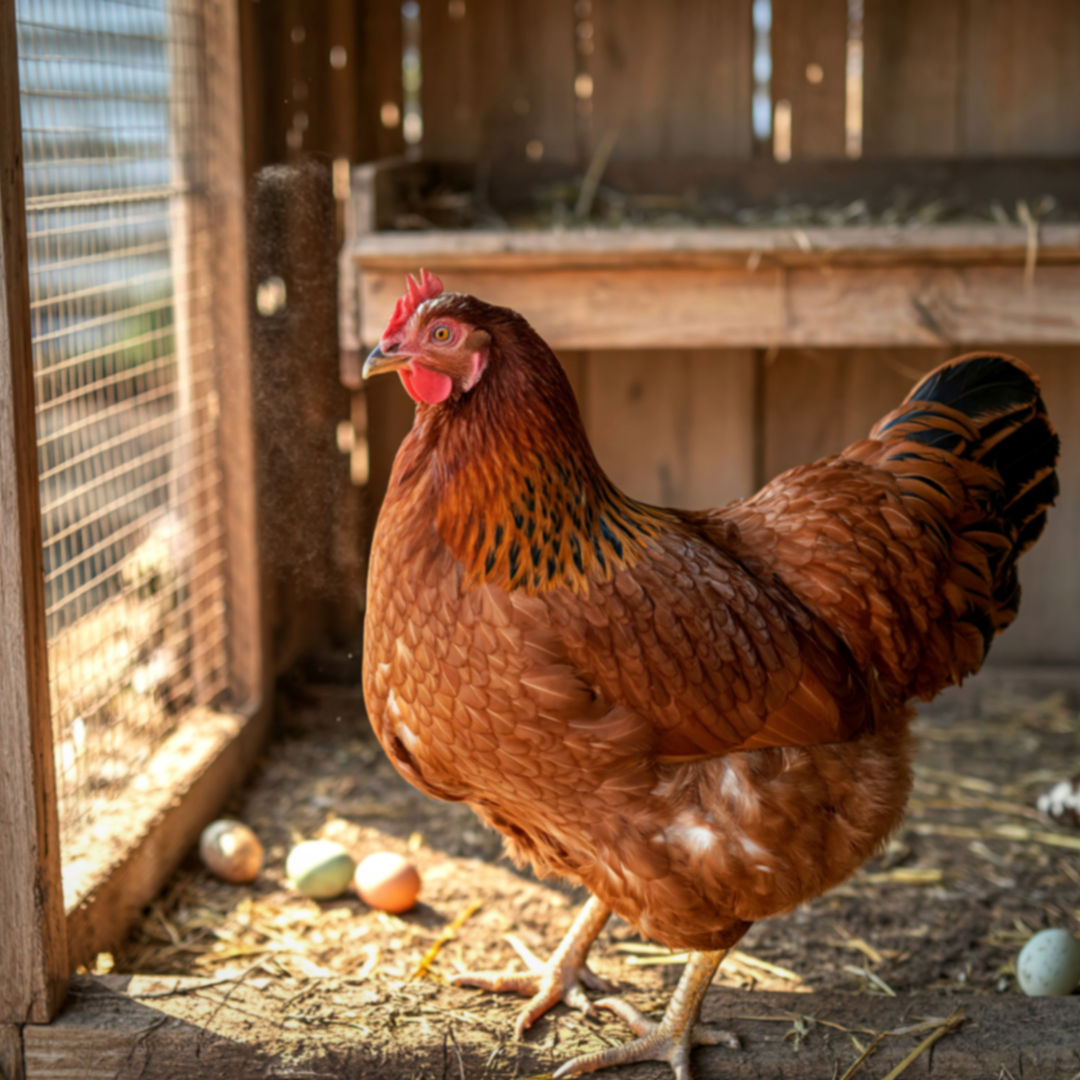
It helps protect your flock, supports laying, reduces stress and makes day-to-day care easier. Whether you are new to backyard chickens or improving an existing setup, getting the basics right makes a big difference.

Keep it secure

Security is one of the most important parts of coop design.

Chickens need protection from predators such as foxes, dogs, cats, birds of prey and rodents. The coop should be sturdy, enclosed and free from gaps where animals can enter.

Wire mesh should be strong and well secured. Doors, latches and nesting areas should also be checked regularly.

Provide enough space

Overcrowding can lead to stress, bullying, poor hygiene and reduced laying.

Birds need enough room to move, perch, feed and dust bathe. If space is limited, the coop can become dirty quickly and flock health may suffer.

The more space available, the easier it is to maintain a calm and healthy flock.

Good ventilation matters

A coop needs airflow, but it should not be draughty.  Ventilation helps reduce moisture, ammonia and odour. Poor airflow can contribute to respiratory issues and damp bedding.

Aim for fresh air movement above bird height, while ensuring chickens are protected from direct wind and rain.

Keep nesting boxes clean and quiet

Nesting boxes should be dry, comfortable and positioned in a quieter part of the coop.  Hens prefer somewhere secure to lay. If nesting boxes are dirty, exposed or uncomfortable, birds may lay elsewhere.

Regularly replacing bedding helps keep eggs cleaner and reduces the risk of pests.

Include suitable perches

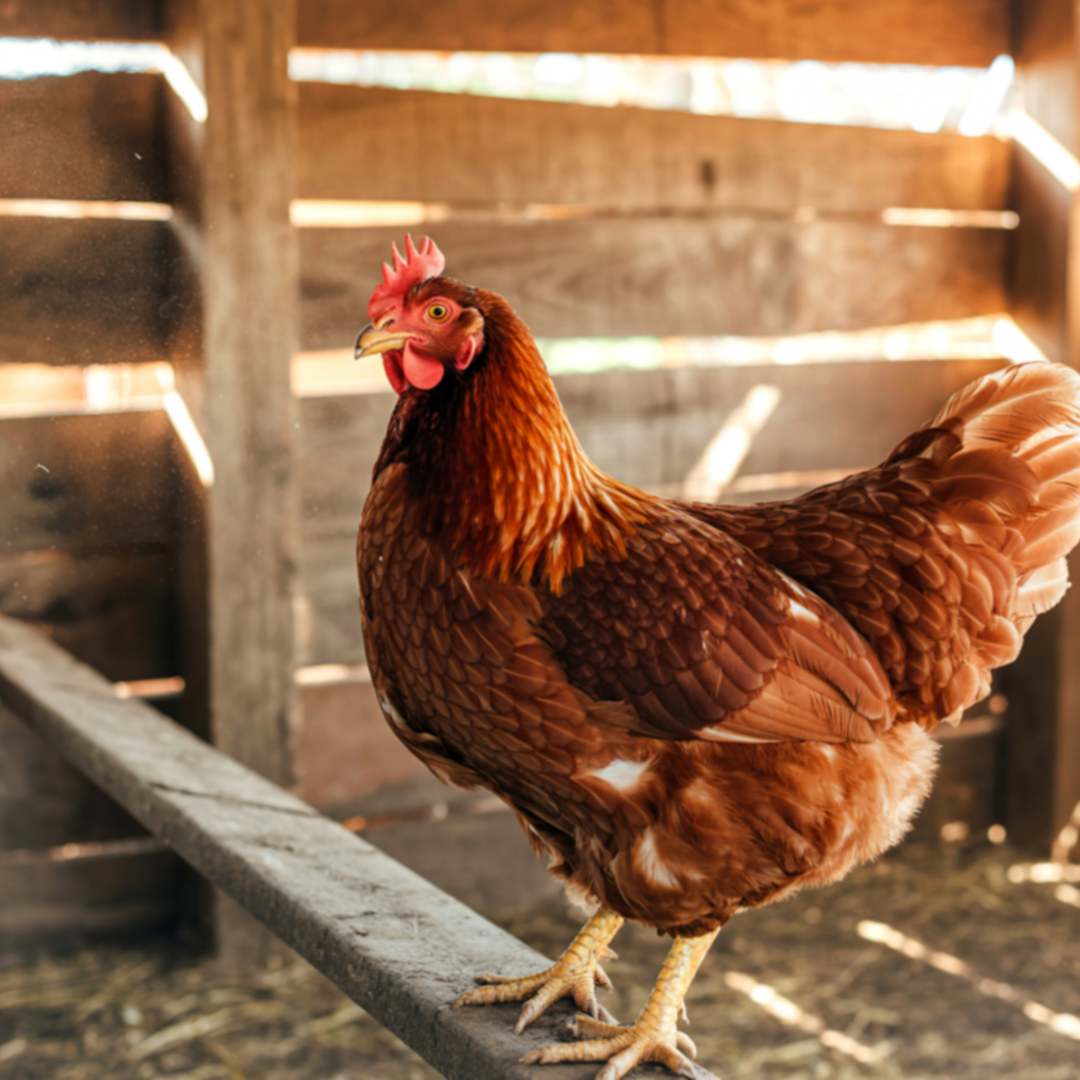
Chickens naturally like to roost off the ground.  Perches should be stable, easy to access and sized appropriately for the birds. Position them higher than nesting boxes where possible, as birds often choose the highest spot to sleep.

Avoid placing perches directly above feeders, waterers or nesting boxes to reduce mess.

Plan feeding and water areas

Feeders and waterers should be easy for chickens to access but placed to reduce contamination.  Keeping them slightly raised can help prevent bedding and dirt from being scratched in. They should also be easy to refill and clean.

Clean feed and water help support health and laying.

Manage bedding and hygiene

Bedding helps absorb moisture and keeps the coop more comfortable.

Common bedding options include straw, wood shavings or other poultry-safe materials. Whatever you use, it should stay dry and be cleaned regularly.

A wet or dirty coop can quickly lead to odour, pests and health problems.

Provide outdoor enrichment

Chickens benefit from space to scratch, forage and dust bathe.

A secure run or yard gives birds room to express natural behaviours. Dust bathing areas help with feather maintenance and can reduce stress.

Adding perches, logs or safe natural materials can also make the space more interesting.

Think about weather protection

Coops should provide shade in hot weather and shelter in cold, wet or windy conditions.

Extreme weather can affect health, comfort and egg production. Positioning the coop well and providing protected areas helps birds cope with changing conditions.

Make it easy to manage

A well-designed coop should also work for you.  Easy access for cleaning, egg collection, feeding and water changes will make regular care simpler.

When a coop is practical, secure and comfortable, both chickens and owners’ benefit.

Posted on

What should you actually feed backyard chickens?

Backyard chickens are great to keep, but feeding them properly is one of the most important parts of flock care.

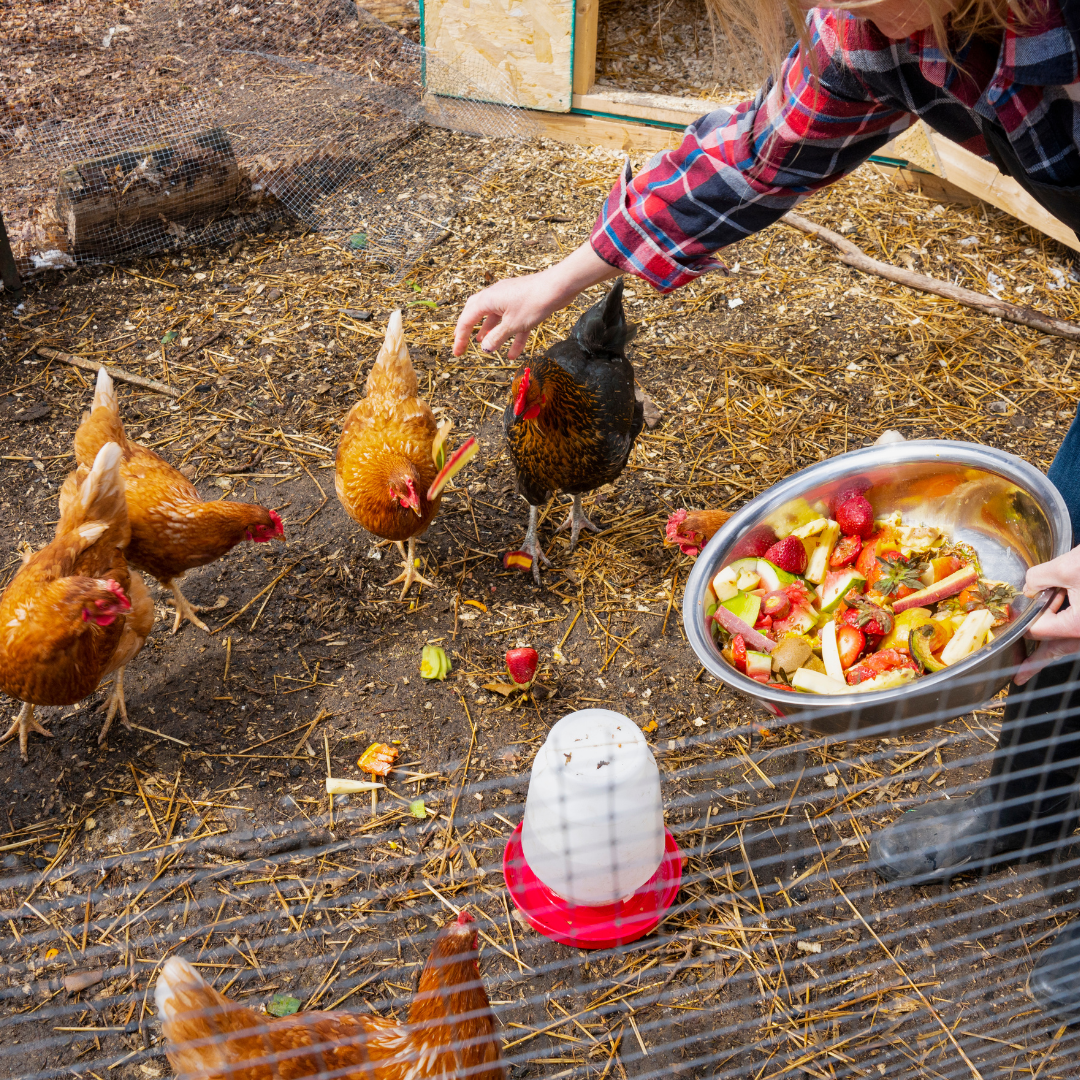
It can be tempting to rely on scraps, garden pickings and whatever they find while foraging, but chickens need a balanced diet to stay healthy and lay well.

Understanding what to feed, and what not to rely on, helps keep your birds in good condition.

Start with a complete feed

A quality poultry feed should form the foundation of the diet.  For laying hens, a layer feed is designed to provide the energy, protein, vitamins and minerals needed to support egg production.

Complete feeds are formulated to be balanced, which is important because chickens can miss out on key nutrients if their diet is made up mostly of scraps or grain alone.

Match feed to life stage

Chickens have different needs depending on age and purpose.  Chicks need starter feed to support early growth. Growing birds need feed suited to development. Laying hens need layer feed with nutrients to support egg production and shell quality.

Feeding the wrong type of feed can affect growth, laying or overall health.

Protein matters

Protein supports growth, feather condition and egg production.  If birds are not getting enough protein, laying may reduce, feather quality may decline, and birds may not maintain condition as well.

Protein needs can increase during moulting, when birds are growing new feathers.

Calcium for laying hens

Laying hens need calcium to produce strong eggshells.  Layer feeds usually include calcium, but some flocks may also benefit from access to shell grit or calcium supplements, especially if shell quality becomes poor.  Remember to also ensure your hens diet is balance for calcium and phosphorus, so they can adequately absorb the calcium provided in their diet.

Weak or thin shells can be a sign that calcium intake needs reviewing.

Scraps are extras, not the base

Kitchen scraps can be offered in moderation, but they should not replace balanced feed.

Too many scraps can dilute nutrition and lead to birds filling up on foods that do not support laying or health.

Avoid mouldy food, salty foods, highly processed leftovers and anything unsafe for poultry.

Grain and scratch mixes

Scratch grains can be useful as a treat or to encourage natural foraging behaviour, but they are not a complete diet.

If chickens are given too much grain, they may eat less of their balanced feed. This can affect nutrition over time.

Treat grains as an addition, not the main meal.

Foraging helps, but it is not enough

Chickens enjoy foraging for insects, grass and seeds. This provides enrichment and variety, but most backyard environments do not provide enough consistent nutrition to rely on alone.

Season, space and weather all affect what birds can find.

A balanced feed ensures they receive what they need, even when foraging is limited.

Do not forget water

Clean, fresh water is essential.

Chickens need water for digestion, temperature regulation and egg production. If water is dirty, empty or hard to access, health and laying can be affected quickly.

Waterers should be cleaned regularly and placed where birds can reach them easily.

Feeding made simple

The simplest approach is to provide a complete feed suited to your birds’ life stage, offer clean water daily, and use scraps or grains only as extras.

This gives chickens the nutrition they need while still allowing variety and natural behaviours.

A well-fed flock is more likely to stay healthy, lay consistently and cope better with seasonal changes.

Posted on

Why your chickens have stopped laying

A drop in egg production is one of the most common concerns for backyard chicken owners.

One week the nesting boxes are full, and the next, production slows or stops altogether. While it can be frustrating, there are several common reasons chickens stop laying, and many can be managed with a few practical changes.

Seasonal changes

One of the biggest influences on laying is daylight.

Chickens need a certain amount of light each day to maintain egg production. As days become shorter, especially in autumn and winter, laying often slows naturally.

This is a normal seasonal response and does not always mean something is wrong.

Age of the birds

Young hens generally lay more consistently once they reach maturity. As hens age, egg production naturally declines.

Older birds may still lay, but less frequently. If your flock includes birds of different ages, production can vary significantly.

Diet and nutrition

Egg production requires energy, protein, calcium and other nutrients.

If chickens are not receiving a balanced layer feed, production may drop. Scraps, pasture and foraging can be useful additions, but they usually should not replace a complete feed.

Calcium is especially important for shell strength, while protein supports ongoing laying.

Water intake

Clean water is essential for laying hens.

If water is dirty, empty, too hot, frozen or difficult to access, chickens may drink less. Reduced water intake can quickly affect egg production.

Water should be checked daily and placed where birds can access it easily.

Stress in the flock

Stress can cause hens to slow or stop laying.

Common stress factors include predators, changes to housing, new birds, overcrowding, bullying, extreme weather or loud disturbances.

Even if birds appear settled, small changes can affect laying. Reviewing the flock environment can help identify possible issues.

Moulting

During a moult, chickens replace old feathers with new ones. This process takes energy, and laying often reduces or stops during this time.

Moulting is normal, but birds may benefit from good nutrition and reduced stress while they recover.

Coop conditions

A poorly set up coop can affect laying.

Nesting boxes should be clean, dry and quiet. Birds need somewhere secure to lay without disturbance. If nesting areas are uncomfortable or exposed, hens may lay elsewhere or stop using the boxes.

Damp bedding, poor ventilation or overcrowding can also impact health and laying.

Health issues

Parasites, illness or injury can reduce egg production.

Watch for signs such as weight loss, pale combs, changes in droppings, reduced activity or poor feather condition.

If laying drops suddenly and birds appear unwell, seek advice.

What you can do

Start by checking the basics: feed, water, daylight, stress, coop conditions and bird health.

Make sure hens have access to a balanced layer feed, clean water, safe housing and comfortable nesting areas.

Some seasonal changes are normal, but good management gives chickens the best chance of laying consistently.

A practical approach

When chickens stop laying, it is rarely caused by one factor alone.

By looking at nutrition, environment, season and flock health together, you can usually identify what has changed and take steps to support your hens back into production.

Posted on

How to create a comfortable indoor setup for your cat

Cats may seem independent, but their home environment has a big impact on their comfort, behaviour and wellbeing.

A good indoor setup gives cats places to eat, sleep, scratch, hide and explore. It also helps reduce stress, especially in busy homes or multi-pet households.

Start with a quiet resting space

Cats sleep a lot, and they like to choose safe, comfortable places to rest.  A good sleeping area should be quiet, warm and away from heavy foot traffic. Some cats prefer enclosed beds, while others like open cushions, blankets or elevated spots.

Providing a few options allows your cat to choose what suits them throughout the day.

Create vertical space

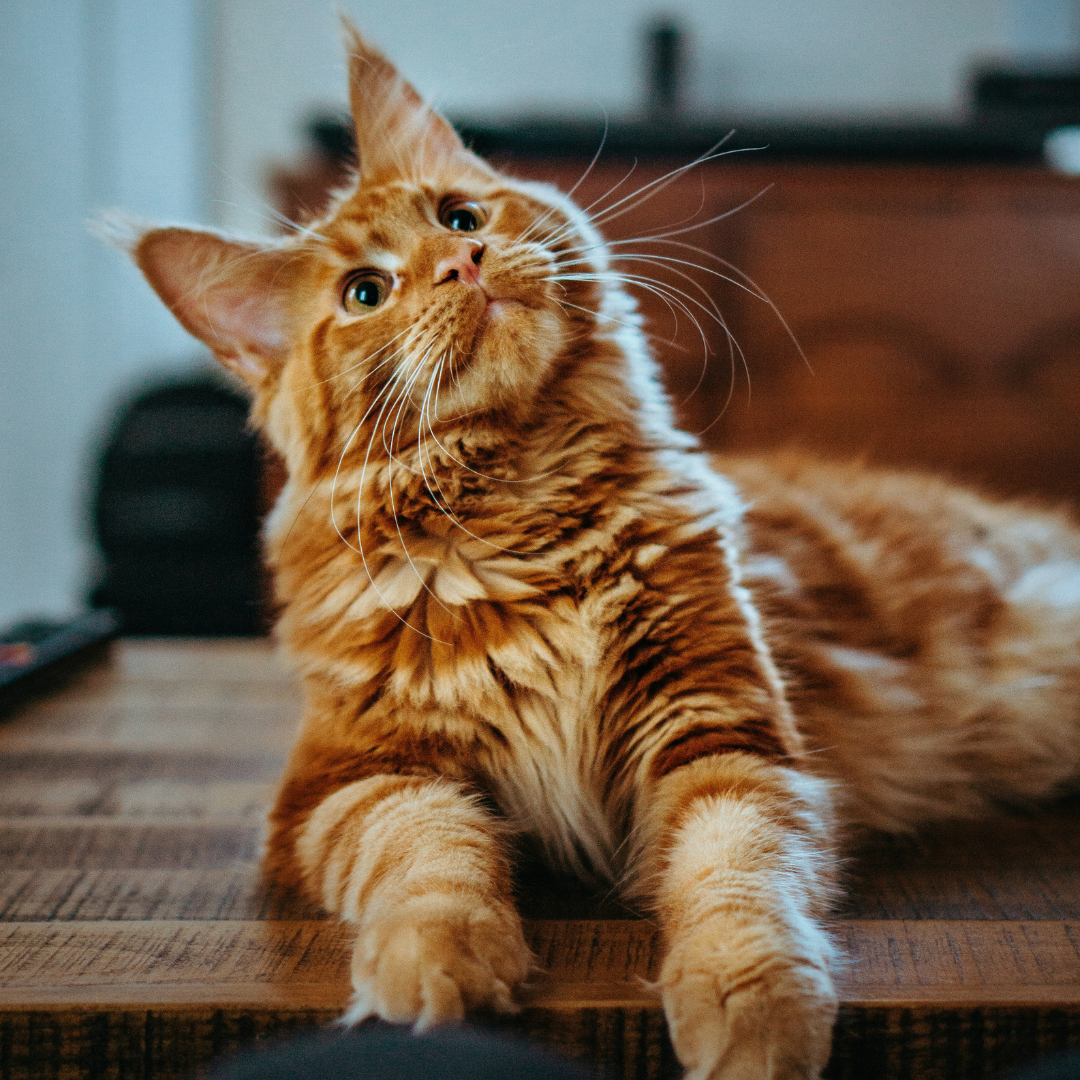
Cats naturally like to climb and observe their surroundings from above.  Cat trees, shelves, window perches or safe furniture access can give them vertical territory. This is especially useful in homes with dogs, children or multiple cats.

Vertical space helps cats feel secure and can reduce conflict by giving them more room to move and retreat.

Provide scratching options

Scratching is normal cat behaviour. It helps cats stretch, mark territory and maintain their claws.  Providing appropriate scratching surfaces can help protect furniture. Some cats prefer vertical posts, while others prefer horizontal scratchers.

Placement matters. Scratching posts are often most useful near sleeping areas, entry points or places your cat already likes to scratch.

Think about feeding areas

Cats often prefer to eat in calm spaces.  Place food bowls away from litter trays and noisy appliances. In multi-cat households, separate feeding areas may help reduce competition and stress.  Some cats also prefer shallow bowls that do not touch their whiskers.

Keep water appealing

Fresh water should always be available. Cats can be particular about water placement and bowl type.  Many cats prefer water placed away from food. Some may drink more from wider bowls or pet fountains.

Keeping bowls clean and refilled encourages better water intake.

Set up litter trays carefully

Litter tray placement is important for indoor cats.  Trays should be easy to access, private and away from food and water. In multi-cat homes, multiple trays are recommended to reduce stress and competition.

Clean trays regularly, as cats can be very sensitive to hygiene.

Add enrichment

Indoor cats need mental and physical stimulation.  Toys, puzzle feeders, climbing areas and interactive play can help keep them active. Rotating toys can also make them more interesting.

Window views are another simple form of enrichment, especially if your cat enjoys watching birds, movement or outdoor activity.

Provide hiding spaces

Even confident cats need somewhere to retreat.  Hiding spaces can include covered beds, boxes, tunnels or quiet corners. These areas help cats feel safe and can be especially important during storms, visitors or changes in routine.

Make changes slowly

Cats can be sensitive to sudden changes. If you are rearranging their setup, introduce new items gradually and allow them to explore at their own pace.

Avoid removing favourite resting or hiding places too quickly.

Comfort is about choice

A comfortable indoor setup gives cats options.

They need places to rest, climb, scratch, eat, drink, hide and play. When these needs are met, cats are more likely to feel secure and settled in the home.

Small changes to the environment can make a big difference to their everyday wellbeing.

Posted on

Feeding fussy cats: practical tips that actually work

Fussy eating is common in cats, and it can be frustrating when a cat turns away from food they happily ate the week before.

Cats can be particular about taste, smell, texture, temperature and routine. Sometimes fussy eating is simply preference, but it can also be linked to stress, change or health concerns.

The key is to understand what may be driving the behaviour and make practical changes without encouraging pickiness.

Start by ruling out health issues

A cat that suddenly stops eating, eats much less, or shows changes in behaviour should be monitored carefully.

Dental discomfort, digestive issues, illness or stress can all affect appetite. Cats should not go without food for long periods, so if appetite changes suddenly or continues, veterinary advice is important.

If your cat is otherwise well and simply selective, the issue may be more about habit or preference.

Keep feeding consistent

Cats often prefer routine. Changing feeding times, locations or food types too frequently can make some cats unsettled or selective.

A consistent feeding routine helps cats know what to expect. Feeding in the same quiet location can also help, especially in busy homes or multi-pet households.

Avoid offering too many alternatives too quickly. If a cat learns that refusing food results in something more exciting, fussy behaviour can become reinforced.

Consider texture and smell

Cats rely heavily on smell when deciding whether to eat. Food that has been open too long or stored poorly may be less appealing.

Texture also matters. Some cats prefer dry food, while others prefer wet food or a mix of both. Some like gravy-style foods, while others prefer pate or chunks.

Finding the right texture can make a big difference but try not to rotate constantly without structure.

Serve food at the right temperature

Cold food straight from the fridge can be less appealing. Warming wet food slightly to room temperature can help bring out aroma and make it more attractive.

Always check the temperature before serving and avoid overheating.

Introduce new food slowly

Cats can be suspicious of sudden diet changes. If you are changing food, introduce it gradually by mixing small amounts into the existing food and increasing over several days.

This gives your cat time to adjust and helps reduce the chance of digestive upset.

Review treats and extras

Too many treats can reduce appetite for regular meals. They can also teach cats to hold out for something more appealing.

If you are trying to improve meal consistency, reduce extras and focus on a structured feeding routine.

Feeding environment matters

Some cats are sensitive to where they eat.

Place food away from litter trays, noisy appliances and high-traffic areas. In multi-cat households, cats may need separate feeding spaces to reduce competition or stress.

A calm feeding environment can help improve appetite.

Be patient, but structured

It is easy to become worried and offer lots of different foods. While this is understandable, it can make fussiness worse over time.

Instead, keep a consistent routine, introduce changes slowly and monitor what your cat genuinely prefers.

Finding what works

Feeding fussy cats often comes down to small adjustments.

Routine, texture, freshness, feeding location and gradual transitions can all help. The aim is to make feeding less stressful for both you and your cat while ensuring they receive balanced nutrition.

If fussiness is new, severe or ongoing, it is always worth checking there is not an underlying health issue.