





















Posted on

Do horses have taste buds? Understanding what your horse prefers (and why it matters)

If you’ve ever introduced a new feed only to have your horse turn their nose up at it, you’ve probably wondered — can horses actually taste what they’re eating?

The short answer is yes. Horses do have taste buds, and their sense of taste plays a bigger role in feeding behaviour than many people realise.

Understanding how horses experience taste can help explain why some feeds are readily accepted while others are refused — and how small changes can make feeding easier.

Can horses taste what they eat?

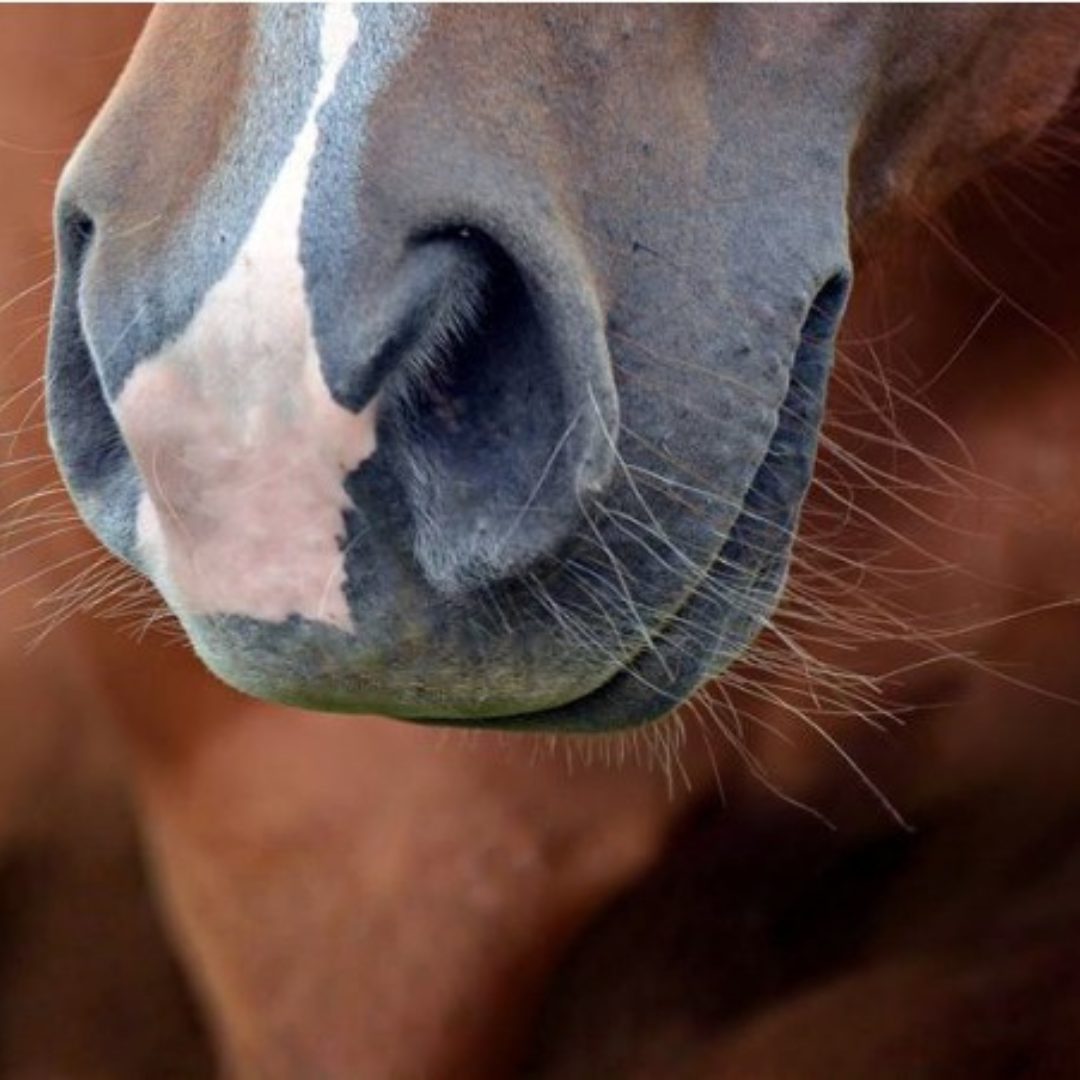
Horses have taste buds located on their tongue, much like humans. While their sense of taste isn’t as complex as ours, it is still well developed.

They are generally able to detect:

  • sweet
  • salty
  • bitter
  • sour

Among these, horses tend to show a clear preference for sweeter flavours and are more likely to reject feeds that taste bitter or unfamiliar.

Why taste matters when feeding horses

Taste plays an important role in whether a horse will accept or refuse a feed.

Even if a feed is nutritionally balanced, a horse may:

  • hesitate to eat it
  • eat less than required
  • or avoid it altogether

This can become an issue when introducing new feeds, supplements or medications.

In many cases, refusal isn’t about quality — it’s simply about unfamiliar taste or smell.

Horses rely on more than just taste

While taste is important, horses also rely heavily on:

  • smell
  • texture
  • past experience

Horses are naturally cautious eaters. In the wild, this helps protect them from consuming harmful plants. As a result, they may be hesitant when presented with something new.

Feeds that smell appealing and have a familiar texture are more likely to be accepted quickly.

Introducing new feeds successfully

When changing or introducing a new feed, a gradual approach is usually the most effective.

Sudden changes can lead to:

  • refusal
  • digestive upset
  • wasted feed

A simple transition over several days allows the horse to:

  • become familiar with the smell and taste
  • adjust to the change
  • maintain consistent intake

Mixing a new feed with the current ration and slowly increasing the proportion can make the process much smoother.

What influences feed preference?

Each horse is different, but some common factors can influence preference:

  • previous feeding experiences
  • type of feed (pellet, grain, mash)
  • freshness and quality
  • environmental factors (such as stress or routine changes)

A horse that has been fed a consistent ration for a long period may take longer to accept something new.

When taste becomes a challenge

In some situations, getting a horse to accept feed becomes more important — particularly when supplements or medications are involved.

In these cases, strategies such as:

  • mixing with a familiar feed
  • introducing gradually
  • feeding at consistent times

can help improve acceptance.

Consistency is key, as horses often respond well to routine.

Keeping feeding simple

Understanding that horses do have taste preferences helps explain a lot of common feeding behaviours.

If a horse is refusing feed, it doesn’t necessarily mean there’s something wrong with the product — it may simply be a matter of familiarity and preference.

Taking a steady, consistent approach to feeding and making gradual changes where needed can help ensure horses maintain intake and condition.
Posted on

Winter horse care essentials: beyond just rugs

When winter approaches, rugs are often the first thing horse owners think about. While rugs can be important, winter care involves much more than keeping your horse covered.

Feed, shelter, water, hoof care and daily management all play a role in keeping horses healthy and comfortable through colder, wetter conditions.

Start with body condition

Heading into winter, it is important to know whether your horse is in good condition.

Horses use energy to stay warm, and those that are underweight, older, clipped or paddocked may need extra support. Regularly checking body condition helps you spot changes early, before weight loss becomes more difficult to correct.

Do not rely on a thick winter coat alone. It can hide changes in condition, especially over the ribs and topline.

Review feed and forage

As pasture quality declines, horses may need additional forage or feed to maintain condition.

Forage should remain the foundation of the diet. Good-quality hay or pasture helps support digestion and provides a steady source of fibre.

If your horse is working, older, or struggling to maintain weight, extra feed may be needed. Any changes should be made gradually and matched to the horse’s workload and body condition.

Water still matters

In winter, horses may drink less, especially if water is very cold. Reduced water intake can increase the risk of digestive issues.

Make sure water is clean, accessible and checked regularly. If troughs or buckets become dirty, empty or difficult to access, intake can drop.

For horses eating more hay, water becomes even more important.

Shelter and dry areas

Horses need somewhere they can get out of wind and rain, whether that is natural shelter, a stable, a shed or a well-positioned paddock.

Constant exposure to wet conditions can increase stress and make it harder for horses to maintain warmth. Wet ground can also contribute to hoof and skin issues.

Providing a dry standing area where possible can make a big difference.

Hoof care in wet weather

Wet conditions can soften hooves and increase the risk of cracks, thrush, abscesses or other hoof problems.

Regular picking out, farrier visits and monitoring are important during winter. If horses are standing in wet or muddy areas for long periods, hoof issues can develop quickly.  Applying hoof oil and other hoof treatments can help to maintain your horses hooves during winter.

Rugging is only one part

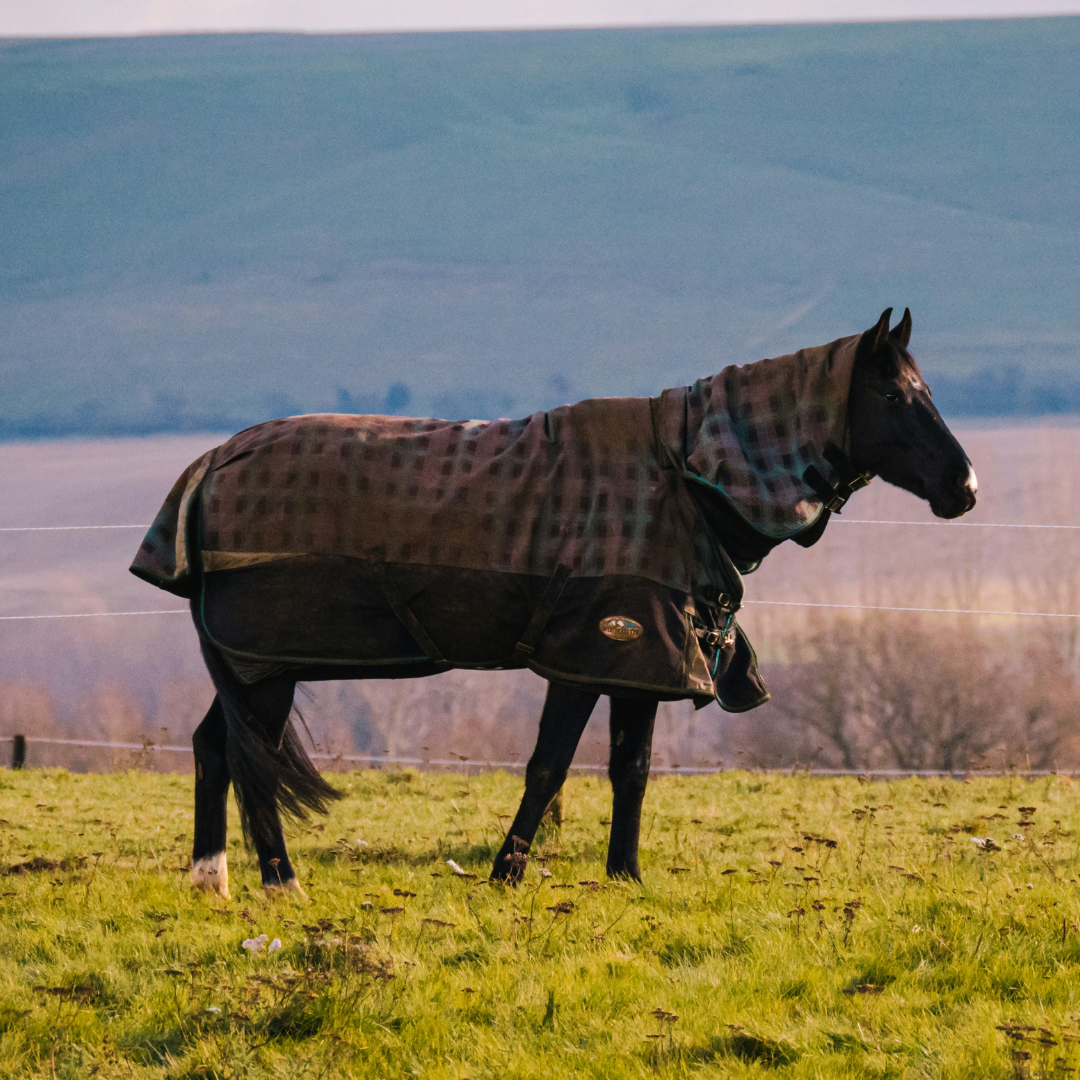
Rugging decisions should be based on the individual horse, not just the temperature.

Consider coat length, age, body condition, shelter, wind, rain and whether the horse is clipped. Over-rugging can cause sweating and discomfort, while under-rugging can leave some horses using too much energy to stay warm.

You can check your horse is warm enough by siding a hand up near their girth – they should feel warm but not hot.  Remember a cold horse can burn energy to warm up, but a horse that has gotten to hot can become unwell very quickly – so it is often better to tend towards less rugs.

Check under rugs regularly for rubs, heat, dampness or weight changes.

Keep an eye on movement

Cold weather and wet ground can reduce movement. Horses may spend more time standing still, especially if paddocks are muddy or slippery.

Where possible, encourage safe movement through turnout, exercise or paddock management. Movement supports circulation, digestion and general wellbeing.

Posted on

Feeding for energy without overdoing it

Feeding for energy can be a balancing act.

Whether you want more stamina, better condition or improved performance, it is important to understand that not all energy sources work the same way. Feeding more is not always the answer. Feeding correctly is what matters.

What does energy actually mean?

In horse nutrition, energy refers to the fuel a horse gets from its diet. This fuel supports daily movement, body condition, growth, work and recovery.

Horses get energy from several sources, including fibre, starch, sugar and fat. Each source is used differently by the body, which is why the type of feed can influence how a horse feels and performs.

Fast energy vs slow-release energy

Some feeds provide energy quickly. Feeds higher in starch and sugar can create a more immediate energy source, which may be useful for certain horses and workloads.

Other feeds provide slower-release energy, often through fibre and fat. These may be better suited to horses that need condition, stamina or calmer, more sustained energy.

The right choice depends on the horse, their temperament and the work they are doing.

Consider your horse’s workload

A horse doing light work does not need the same energy intake as a horse in regular training or competition.

Overfeeding energy to a horse that does not need it can lead to weight gain or changes in behaviour. Underfeeding a horse in heavier work can lead to poor condition, tiredness and reduced performance.

Matching feed to workload helps maintain balance.

Temperament matters

Some horses are naturally more reactive or sensitive to diet changes. A feed that suits one horse may not suit another.  If a horse becomes “hot”, unsettled or difficult to manage after a diet change, the type of energy source may need reviewing.

For these horses, lower-starch or slow-release energy like fats and oils may be more suitable.

Condition and energy are linked

Horses that need to gain or maintain condition often require additional energy. However, the aim should be steady improvement, not rapid change.

A sudden increase in feed can upset digestion and may not lead to the type of condition you want. Gradual adjustments, supported by adequate forage, are usually more effective.

Forage comes first

Before increasing hard feed, review forage.  Good-quality hay, pasture and fibre-based feeds are important for gut health and can contribute a significant amount of energy. If forage is limited or poor quality, horses may struggle to maintain energy and condition.

Increasing forage can sometimes make a big difference before more concentrated feeds are added.

Avoid guessing

It is easy to assume a horse needs more energy when the issue may actually be fitness, health, saddle fit, dental problems or parasites.

If a horse is lacking performance or condition, it is worth looking at the full management picture.

Feed is important, but it is only one part of the equation.  Remember, any increase in feed should be made slowly. This allows the digestive system to adjust and gives you time to monitor changes in behaviour, condition and performance.  Small, consistent changes are safer and easier to assess than large jumps.

Finding the right balance

Feeding for energy is about matching the diet to the horse’s needs.

Consider workload, temperament, body condition and season. Choose energy sources that support the outcome you want, whether that is stamina, condition, performance or calm daily maintenance.

When the balance is right, horses are better fuelled without being overfed.

Posted on

Why your horse is not holding condition (and how to fix it)

A horse that is not holding condition can be frustrating, especially when you feel like you are already feeding enough.

Weight and condition can be affected by a range of factors, including pasture quality, workload, weather, dental health, parasites and the overall balance of the diet. The key is to look at the full picture rather than simply increasing feed and hoping for the best.

Start with body condition

Before changing the diet, it helps to assess your horse’s body condition regularly.  Look at areas such as the ribs, topline, neck, shoulders and hindquarters. A horse may appear to have a full belly but still lack muscle or coverage over key areas.

Condition is not just about weight. It is also about muscle tone, topline and how well the horse maintains itself through work, weather and seasonal change.

Check the basics first

If a horse is losing condition or struggling to improve, start with the foundations.

Dental issues can limit how well a horse chews and processes feed. Parasite burdens can affect nutrient uptake. Illness, stress and changes in routine can also play a role.

These areas should be considered before assuming the feed is the only problem.

Forage matters most

Forage should be the basis of a horse diets. Pasture, hay, chaff or other bagged fibre sources provides required soluble and insoluble fibre that support gut health and helps maintain digestive function.

If pasture quality declines, especially in cooler months or dry periods, horses may not be getting enough from grazing alone. In these cases, additional hay or fibre-based feeds may be needed.

A horse that is not receiving enough forage may struggle to maintain condition, even if hard feed is being offered.

Energy intake may need adjusting

If the basics are covered and the horse still is not holding condition, the overall energy intake may need to increase.

This does not always mean feeding larger amounts of grain. The type of energy matters. Some horses do better on feeds that provide slow-release energy, while others need more concentrated nutrition depending on workload and condition goals.

Adding energy gradually and monitoring response is the safest approach.

Workload and weather play a role

A horse in work will need more energy than a horse at rest. Likewise, cold weather can increase energy demands, particularly for horses that are paddocked, clipped, or older.  If a horse’s workload increases but the diet stays the same, condition can drop. The same can happen when pasture declines or seasonal conditions change.

Reviewing the diet at key times of year helps avoid falling behind.

Do not forget protein

Condition is not just fat cover. If the goal is to improve topline or muscle, protein quality and type matters too.  A horse may gain weight but still lack muscle if the diet does not provide the right building blocks. This is especially relevant for horses in work or horses returning to condition after time off.

Look for feeds with high quality protein sources and a wider amino acid profile to meet the protein needs of a horse in work.

Getting back on track

Any changes should be made gradually. Sudden changes can upset digestion and create new issues.

Introduce new feeds slowly, monitor manure, appetite and behaviour, and reassess body condition over time.  A horse that is not holding condition usually needs a structured approach.

Start with health checks, review forage, consider workload and weather, then adjust feed to suit the horse’s needs.  With the right balance and regular monitoring, most horses can be supported back into better condition safely and steadily.

Posted on

What to look for in a quality dog food (without overcomplicating it)

Choosing a dog food can feel overwhelming. With so many options on the shelf, it can be difficult to know what actually matters and what is just marketing.

The good news is that choosing a quality dog food does not need to be complicated. A few key factors can help you make a more informed decision and find a food that suits your dog’s age, size, activity level and overall needs.

Start with your dog’s life stage

One of the first things to look for is whether the food is suited to your dog’s life stage.

Puppies, adult dogs and senior dogs all have different nutritional requirements. Puppies need nutrition that supports growth and development. Adult dogs need maintenance nutrition to support everyday health. Senior dogs may benefit from formulas designed to support mobility, weight management and digestion.

Feeding the wrong life stage can lead to imbalances over time. For example, puppy food may be too energy dense for some adult dogs, while adult food may not provide enough support for growing pups.

Match the food to activity level

Activity level is just as important as age.  A working dog, sporting dog, those that burn energy (like greyhounds) or very active outdoor dogs will usually need more energy than a companion dog with a lower activity level. This often means higher levels of protein and fat to support stamina, muscle maintenance and recovery.

A less active dog generally needs a more moderate energy intake. Feeding a high-energy food to a dog that does not burn it off can contribute to weight gain.

The best feed is one that matches what your dog actually does each day.

Look for balanced nutrition

A quality dog food should provide complete and balanced nutrition. This means it includes the right mix of protein, fats, carbohydrates, vitamins and minerals to support everyday health.

Protein supports muscle maintenance. Fats provide energy and support skin and coat health. Fibre can support digestion and help dogs feel satisfied. Vitamins and minerals contribute to immune function, bone health and general wellbeing.  Rather than focusing on one ingredient alone, it is better to consider the overall balance of the formula.

Consider digestibility

A food can look good on paper, but if your dog does not digest it well, it may not be the right fit.  Signs a food may not be suiting your dog can include changes in stool quality, excessive gas, dull coat, poor condition or inconsistent appetite.

Digestibility can vary between dogs, which is why it is important to monitor your dog after changing food.

Do not be guided by price alone

Price is part of the decision, but it should not be the only factor.  A cheaper food may require larger feeding amounts, which can reduce the savings. A more nutrient-dense food may cost more per bag but require smaller portions.

When comparing foods, look at feeding rates as well as bag price. This gives a better picture of value over time.

Make changes gradually

When introducing a new food, transition slowly over about 7 days. Sudden changes can upset digestion, even if the new food is suitable.

A gradual transition gives your dog’s system time to adjust and makes it easier to spot whether the food is working well.

Keep it practical

The best dog food is one that suits your dog’s needs, supports their condition and works with your routine.  Look for a food matched to life stage, activity level and overall health. Monitor body condition, energy, coat quality and digestion over time.

Choosing well does not need to be complicated. It just needs to be based on the dog in front of you.


Posted on

Choosing the right dog bed: raised vs ground-level

Choosing the right dog bed is not just about comfort. It can have a real impact on your dog’s rest, recovery, joint support and overall wellbeing.

With a wide range of options available, one of the most common decisions comes down to raised beds versus ground-level beds. Each has its place, and the right choice will depend on your dog’s environment, age and daily routine.

Understanding the difference

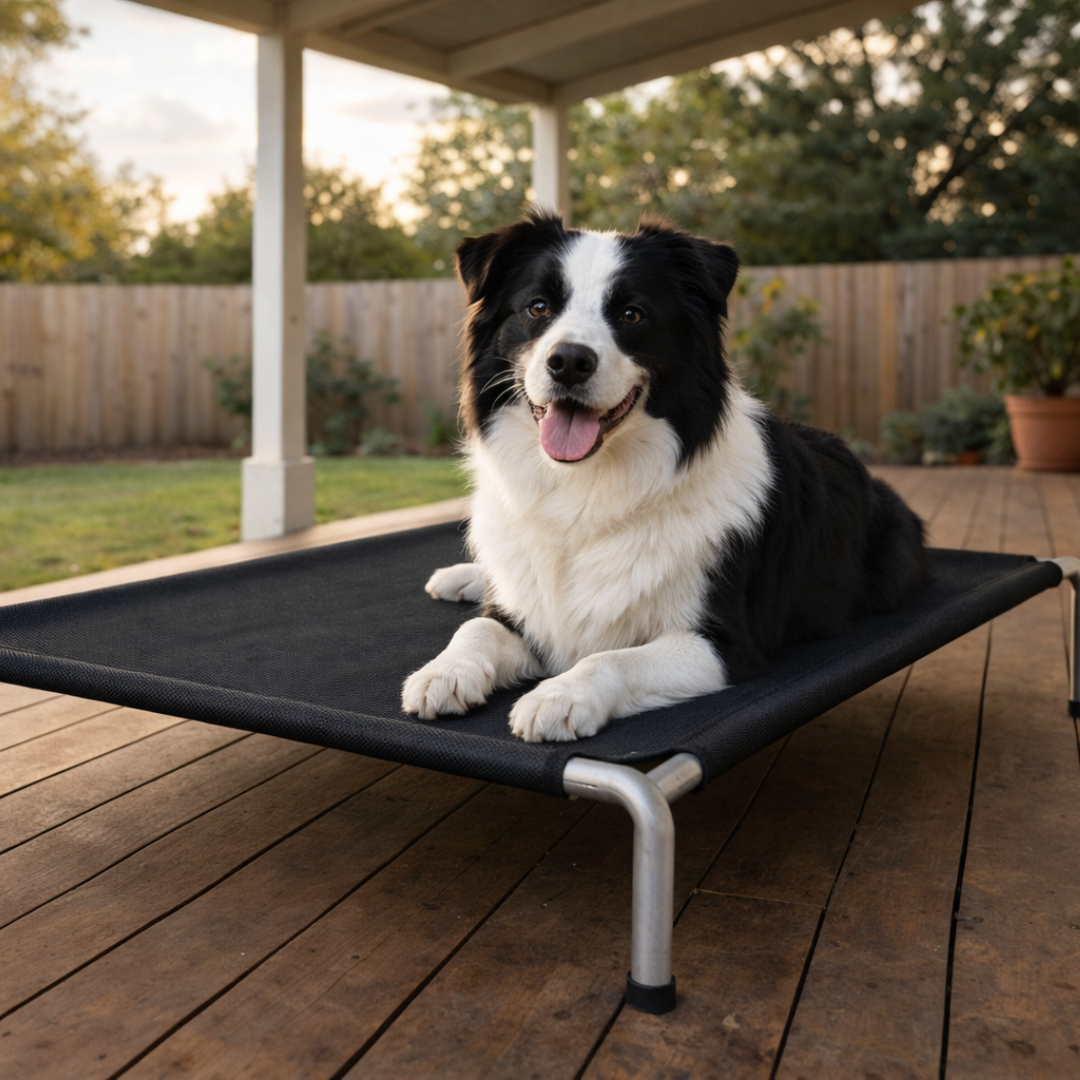
Raised dog beds are designed to sit off the ground, usually using a frame with a stretched fabric surface. Ground-level beds sit directly on the floor and are usually cushioned, padded or enclosed.

At a glance, both provide a place for your dog to rest, but they serve slightly different purposes.

A raised bed focuses on airflow, durability and keeping your dog off the ground. A ground-level bed focuses more on cushioning, warmth and softness.

When a raised bed makes sense

Raised beds are particularly well suited to outdoor environments, working dogs, or dogs that spend time in sheds, kennels or on verandahs.  Because they sit off the ground, they help prevent contact with cold, damp or uneven surfaces. This can be useful during cooler months, especially when the ground stays wet or concrete floors become cold.

Raised beds also allow airflow underneath, which can help keep dogs cooler during warmer weather. They are generally easy to clean, durable and practical for dogs that come in muddy, wet or dusty.

For working dogs or dogs in high-traffic areas, durability is often the biggest advantage. Raised beds tend to hold their shape well and can cope with regular use.

When a ground-level bed is better

Ground-level beds are often the preferred option for indoor dogs, older dogs, or dogs needing extra support.  These beds provide cushioning for joints and pressure points, making them useful for dogs that are ageing, less mobile or recovering from a big day of activity.

They also tend to retain warmth more effectively, which can be important in winter or for short-coated dogs that feel the cold.  For companion dogs that spend most of their time indoors, a padded bed may provide the comfort and sense of security they prefer.

Think about where your dog rests

The best choice often comes down to how and where your dog lives.

A dog that sleeps outside or in a shed may benefit from a raised bed because it keeps them off hard or cold surfaces. A dog that sleeps inside may be more comfortable on a cushioned bed placed in a warm, quiet area.  Some dogs will also have strong preferences. A dog that likes to stretch out may suit a flat, raised bed, while a dog that likes to curl up may prefer a softer, more enclosed option.

Seasonal considerations

Season can also play a role.  In warmer months, airflow and ventilation become more important. In cooler months, warmth and cushioning may be the priority.

Some owners choose to rotate between bed types depending on the time of year, particularly in regions with more noticeable seasonal changes.

Getting the balance right

There is no one-size-fits-all answer. In some cases, having both options available can work well, especially for dogs that move between indoor and outdoor spaces.  Independents Own stock a wide range of dog beds to suit your needs.

What matters most is that your dog has a consistent, comfortable place to rest that suits their needs and environment.  A well-chosen bed can support better sleep, improve recovery and help keep your dog comfortable.