


















Posted on

Why your dog always seems hungry (and what to do about it)

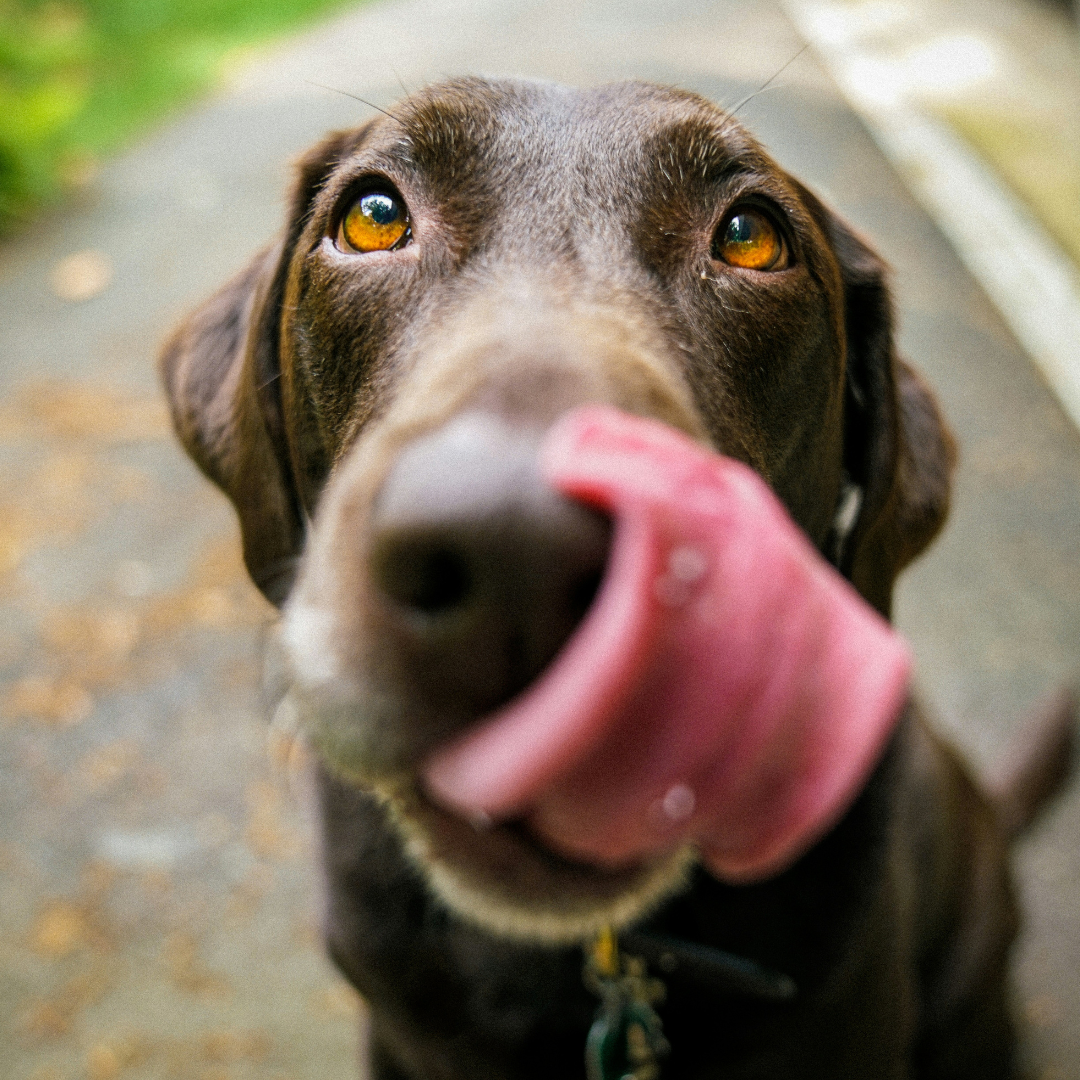
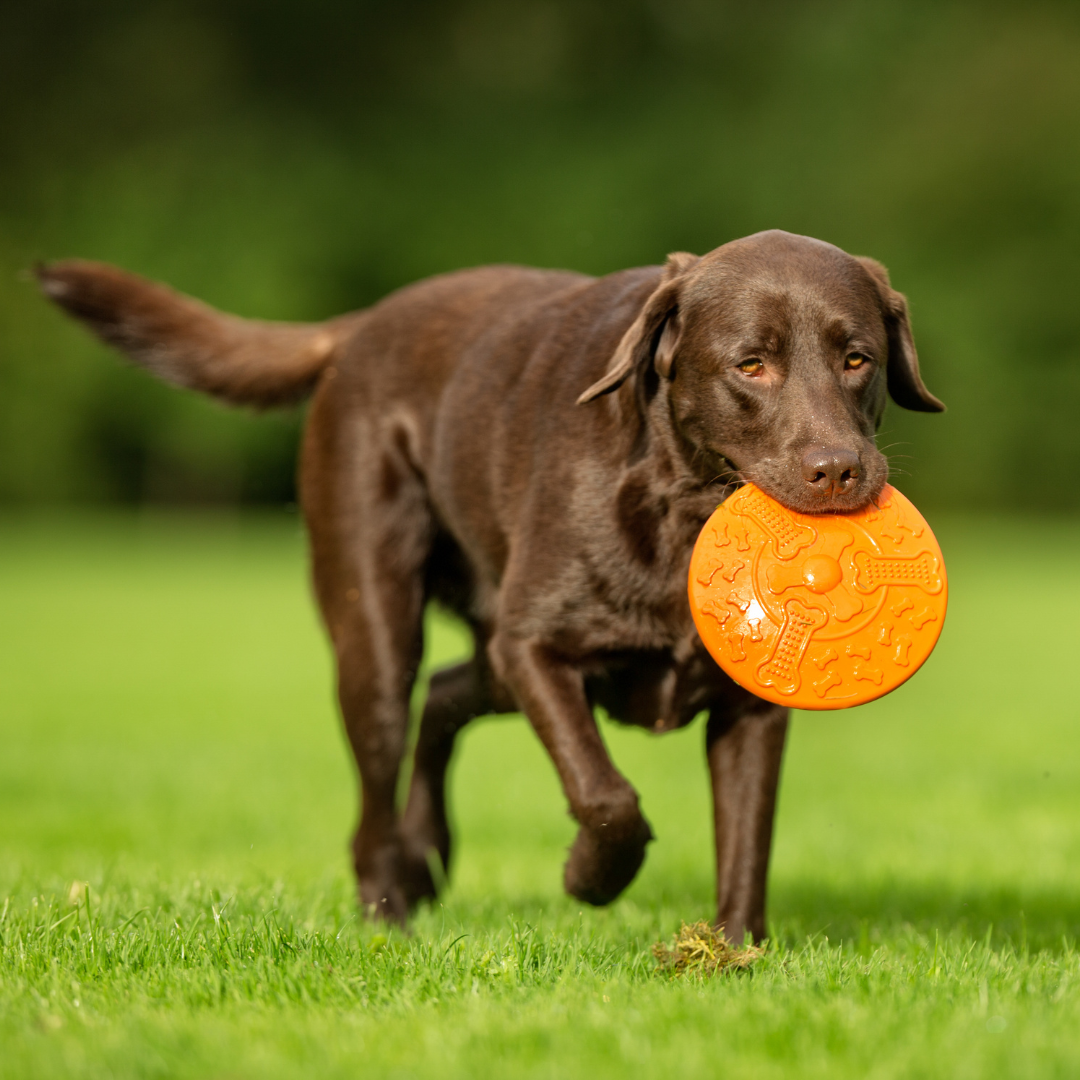
It is a question many dog owners ask: why does my dog always seem hungry?

Whether it is hovering around at feed time, begging for more, or acting like they have not eaten all day, it can be hard to know if it is normal behaviour or something worth addressing.

The truth is, there are a few common reasons behind it. In many cases, it comes down to what you are feeding, how you are feeding it, and whether your dog’s routine matches their actual energy needs.

It is not always about hunger

Before jumping to conclusions, it is worth remembering that dogs are naturally opportunistic eaters. Many will happily eat more than they actually need, especially if food has been used as a reward or if they have learnt that begging leads to extra treats.  So, while it might look like constant hunger, it can often be habit, routine or learned behaviour.

That said, if your dog always seems unsatisfied, it is worth taking a closer look at their diet and daily routine.

The food may not be keeping them satisfied

Not all dog foods are created equal. Some foods digest quickly or may not provide the right balance of protein, fat, fibre and energy for your dog’s needs.  If a food is not keeping your dog satisfied, you might notice them looking for food again shortly after eating. This can happen when the diet is not suited to their life stage, breed size or activity level.

A more balanced, nutrient-dense food may help your dog feel fuller for longer, particularly if it includes quality ingredients and is designed for their lifestyle.

Portion size may not match their needs

Feeding guides are helpful, but they are only a starting point.  Your dog’s actual needs depend on their size, breed, activity level, metabolism and environment. Dogs that are very active, outdoors often, or working regularly will generally require more energy than dogs that spend most of the day resting.

Working dogs, in particular, can have much higher energy demands. If they are fed like a low-energy companion dog, they may genuinely be underfed.  On the other hand, some dogs will act hungry even when they are receiving enough food. This is where body condition, rather than appetite, becomes the better guide.

Routine can influence behaviour

Dogs thrive on routine. If feeding times are inconsistent, or if food is given frequently outside meals, they may become more fixated on eating. Sticking to regular feeding times can help set expectations. It can also make it easier to identify whether your dog is genuinely hungry or simply anticipating food.

Treats and table scraps are also worth reviewing. Extra snacks can encourage begging while making it harder to manage overall intake.

When to look further

A sudden increase in appetite, weight loss despite eating, or changes in behaviour can indicate something else is going on.  If your dog’s hunger seems unusual or is paired with other changes, it is best to seek advice from a vet. Medical factors can affect appetite, so it is important not to assume it is always behavioural.

What you can do

If your dog always seems hungry, start with the basics.  Review the quality of their food, check their portion size, consider their activity level and stick to a consistent feeding routine. It can also help to reduce extra treats and use enrichment feeders or slow bowls if your dog eats very quickly.

In many cases, a few simple adjustments can make a noticeable difference. The goal is not just to fill the bowl, but to support your dog’s energy, condition and overall wellbeing.
Posted on

Feeding working dogs vs companion dogs: what is the difference?

Not all dogs have the same nutritional needs.

While it might seem convenient to feed all dogs the same diet, there is a clear difference between what a working dog requires compared to a companion dog. Getting this right plays a big role in maintaining condition, supporting performance and protecting long-term health.

Different roles, different requirements

Working dogs are generally more active, covering greater distances and expending more energy throughout the day.  Their work may include mustering, farm duties, hunting, guarding or long periods outdoors. These dogs are not just going for a walk around the block. They are often using their bodies for extended periods and need nutrition that supports that level of output.

Companion dogs tend to have more predictable routines and lower energy demands. They may still be active, but their overall workload is usually more moderate.  Because of this, their feeding requirements can differ significantly.

Energy needs are not the same

One of the biggest differences is energy intake.  Working dogs generally require more calories to maintain condition. They also often benefit from higher fat levels, which provide a concentrated source of energy.  Without enough energy in the diet, a working dog can lose weight quickly, especially during busy periods, colder weather or times of increased workload.

Companion dogs usually require a more balanced maintenance diet. Feeding a high-energy working dog formula to a companion dog that does not burn it off can contribute to weight gain.

Protein supports muscle and recovery

Protein is important for all dogs, but it is especially relevant for dogs that work hard.  Active dogs use their muscles more heavily and require quality nutrition to support maintenance and recovery. A diet with adequate protein helps support strength, body condition and resilience.

Companion dogs still need protein, but the amount and overall formula should match their activity level and life stage.

Feeding routines may differ

Working dogs may need feeding routines that reflect their workload.  During heavy work periods, some dogs benefit from split feeds, with timing adjusted around activity. Feeding too close to intense work is generally best avoided, while feeding after work can support recovery.

Companion dogs are often fed once or twice daily, with consistency being the most important factor.

Environment plays a role

Weather and living conditions also affect energy needs.  Dogs living outside or working in cold conditions may require more energy to maintain body temperature and condition. Dogs spending most of their time indoors may not need the same increase.  This is why feeding should be reviewed seasonally, not set and forgotten.

Watch body condition

The best guide is your dog’s body condition.  A working dog losing weight, lacking stamina or looking tucked up may need more energy or a more suitable feed. A companion dog gaining weight or becoming less mobile may need portion adjustments or a lower-energy option.  Appetite alone is not always reliable, as many dogs will eat more than they need.

Match the feed to the dog

Feeding a working dog like a companion dog can lead to poor condition and reduced performance. Feeding a companion dog like a working dog can lead to excess weight and health issues.  The aim is to match the feed to the dog’s role, workload and environment.

Getting this balance right helps keep dogs healthy, well-fuelled and ready for the life they lead.


Posted on

Wet vs dry vs mixed feeding: what is best for your cat?

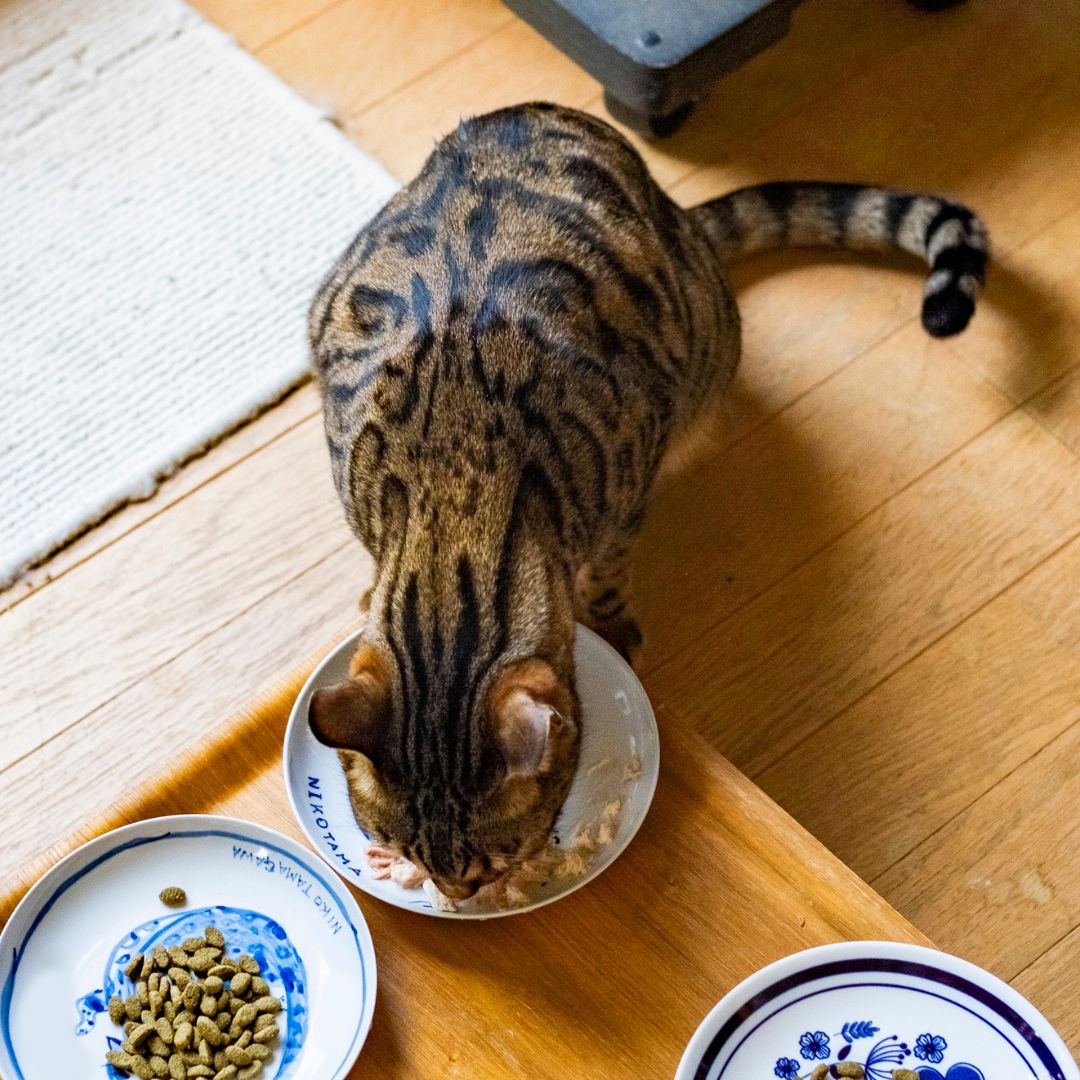
When choosing cat food, one of the most common questions is whether wet food, dry food or a mix of both is best.  There is no single answer that suits every cat. Each feeding style has benefits, and the right choice depends on your cat’s health, preferences, lifestyle and routine.

Understanding dry food

Dry cat food is convenient, easy to store and simple to portion. It is often a practical choice for busy households or cats that prefer to graze throughout the day.  Dry food can also be less messy and usually has a longer shelf life once opened.

Because it is energy dense, portion control is important. It can be easy to overfeed dry food if bowls are kept topped up all day.

Understanding wet food

Wet food has a higher moisture content, which can help support hydration. This can be especially useful for cats that do not drink much water.  Wet food can also be appealing for fussy cats because of its aroma and texture. Many cats enjoy the variety of flavours and formats available.

The main considerations are storage, freshness and feeding routine. Once opened, wet food needs to be stored correctly and served within a suitable timeframe.

What is mixed feeding?

Mixed feeding means offering both wet and dry food as part of the diet.  This approach can provide the convenience of dry food while also offering the hydration and variety of wet food.

For many households, mixed feeding is a practical balance. It can also help cats become more flexible with different food types.

Consider your cat’s preferences

Cats can have strong preferences around texture, smell and routine.  Some cats prefer crunchy dry food. Others prefer wet food with gravy, jelly or softer textures. Some enjoy both.

Preference matters because the best food is only useful if your cat will eat it consistently.

Hydration is important

Cats are not always big drinkers. Wet food can contribute to overall water intake, but cats should still have access to clean, fresh water at all times.  Water bowls should be placed away from litter trays and kept clean. Some cats prefer wider bowls or running water.

Portion control still matters

Whether feeding wet, dry or mixed, portion control is important.  Cats can gain weight if they receive too much food, especially indoor cats with lower activity levels. When mixed feeding, it is important to account for both wet and dry portions rather than treating one as an extra.

Use feeding guides as a starting point and adjust based on body condition.

Life stage and health needs

Kittens, adult cats and senior cats have different nutritional requirements.  Some cats may also need specific diets based on health conditions, weight management or veterinary advice.  When choosing food, look for options suited to your cat’s life stage and individual needs.

Making changes gradually

If switching between food types, introduce changes gradually. Sudden changes can upset digestion or cause refusal.  Mix new food into the existing diet slowly and monitor appetite, stool quality and overall behaviour.

What is best?

The best option is the one that suits your cat and supports balanced nutrition.  Dry food offers convenience. Wet food supports moisture intake and variety. Mixed feeding can provide a balance of both.

By considering your cat’s preferences, health, routine and activity level, you can choose a feeding approach that works for everyday life.

Posted on

Horse Worming: It’s Not Just When You Worm, It’s What You Use

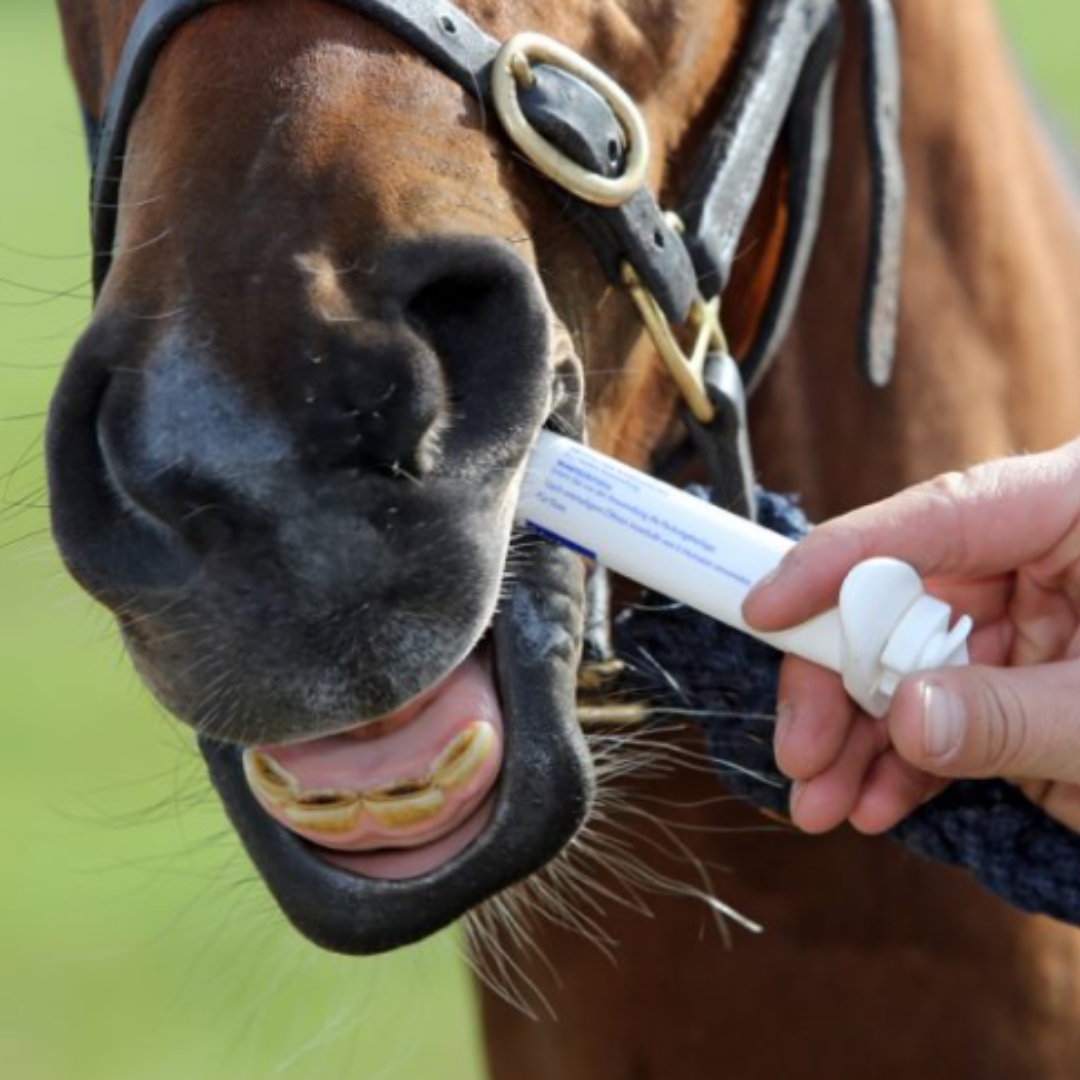
It’s a common rule of thumb to worm horses at the change of each season.  Autumn rolls around, and it’s time to treat. Then again in winter, spring and summer – simple, routine, and easy to stick to.  While that approach is largely correct, it can lead to some parasites being missed and may also increase the risk of resistance over time.

Moving from autumn into winter, things can feel like they’re slowing down. Pasture growth drops off, temperatures cool, and overall activity seems lower.

But parasite pressure doesn’t disappear – it just changes.

Some worms persist on pasture, while others remain inside the horse in different stages of their lifecycle. So even if you’re not seeing obvious signs, there can still be a burden there ticking along in the background.

During autumn, and into winter, the key worms to watch for are small strongyles, tapeworms and, in some cases, roundworms – each behaving slightly differently as conditions cool.

Which worms’ matter through autumn and winter?
Small strongyles are one of the biggest considerations at this time of year. Over the cooler months, they can sit in an encysted (dormant) stage within the gut lining. They’re not always causing obvious issues immediately, but they can build up and emerge later.

Roundworms tend to be more of a concern in younger horses but are still worth keeping in mind depending on your age groups.

Tapeworms are a bit different again. Unlike strongyles and roundworms, horses don’t pick up tapeworms directly from pasture. Instead, they’re infected by ingesting small pasture mites (oribatid mites) that act as an intermediate host. This means their lifecycle is slower and more seasonal, and they tend to build up over time rather than spike quickly.

Because of this, tapeworms are often targeted at specific times of year – with autumn being a common point to address them.

Why product choice matters
To target encysted small strongyles, actives such as moxidectin or specific fenbendazole programs are commonly used.

For tapeworm, actives such as praziquantel or pyrantel (at the correct dose) are typically used, often as part of an autumn treatment.

For roundworms, particularly in younger horses, actives such as fenbendazole or pyrantel may be used depending on the situation.

For broader parasite control, combination actives may be used where multiple parasites are being targeted at once.

During the autumn to winter period, the focus is often on managing existing burdens and targeting parasites that persist through cooler conditions.

This is where products such as iO Fenbender, iO Equiduo Liquid and iO Blade can play a role within a broader worming program, as they contain actives suited to targeting common parasites during this time of year.

Product choice should always be guided by what you’re looking to target, along with faecal egg counts, seasonal conditions and your overall worming approach. If you require further assistance, consult your local veterinarian.

Posted on

Preservatives in Dog Food: What Really Matters

Preservatives often get a bad name. The word alone can sound artificial or unnecessary. Preservatives play an important and practical role in dry dog food.

Without preservation, kibble wouldn’t stay fresh for long. The natural fats in food oxidise over time. When that happens, flavour drops off, nutrients begin to break down and the food can spoil. Preservatives slow that process. They protect the food, help maintain nutritional value and keep it safe from the day it’s made to the last scoop in the bag.

There are two main types in dry dog food: artificial and natural.

Artificial preservatives are manufactured compounds designed to extend shelf life and maintain stability. They’ve been widely used for years and are approved for use in pet food. Their job is simple. They keep food consistent and safe over time.

Natural preservatives work differently. They are typically antioxidants derived from naturally occurring compounds. One of the most common examples in quality pet food is Vitamin E. Vitamin E helps protect the fats in the food from oxidation. In simple terms, it slows down the process that causes fats to deteriorate, helping maintain freshness and taste.

For most dog owners, it’s about knowing what’s in the bowl and why it’s there.

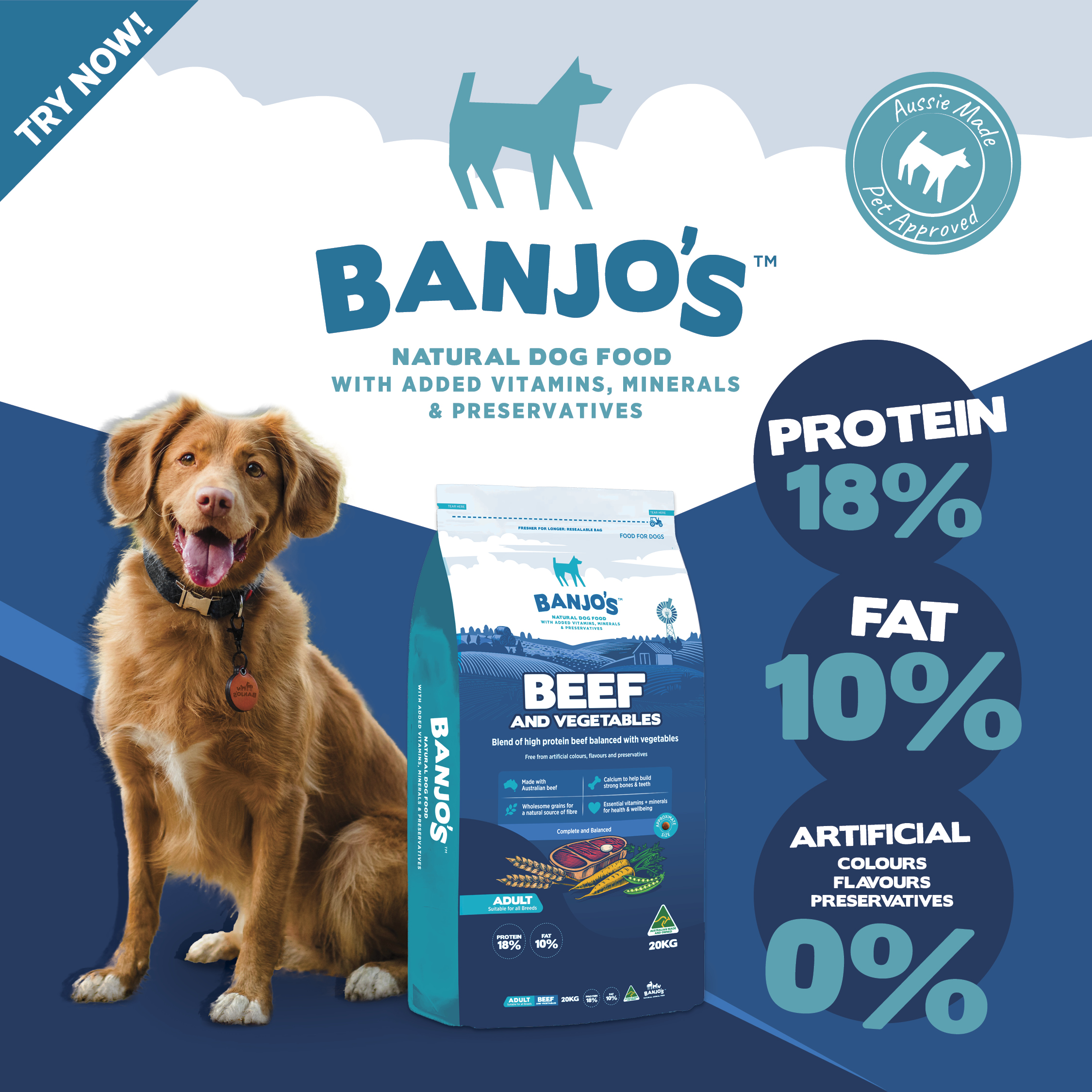
Banjo’s is a natural feed focusing on simple, honest ingredients that support everyday health. Banjo’s uses quality Aussie protein, wholesome grains, vegetables, and essential vitamins and minerals – without unnecessary additives. It’s straightforward
food made the natural way.

Banjo’s contains no artificial colours, flavours or preservatives. Instead, it uses a natural preservative, Vitamin E, to help maintain freshness. Vitamin E does a practical job. It helps protect the natural fats in the food from going off. That keeps flavour steady and helps retain nutrients across the life of the bag. It’s straightforward and it works.

Importantly, Vitamin E is also beneficial in a dog’s diet. As an antioxidant, it supports normal immune function. So, while it’s preserving the food, it’s also contributing something useful to the dog’s diet.

For everyday Aussie dogs, food needs to be reliable. It needs to stay fresh in the bag, taste the same every time and deliver balanced nutrition without fuss. Using Vitamin E as a natural preservative does exactly that. It protects the quality of the food while also supporting the dog eating it.

Preservatives aren’t something to fear. They’re part of making dry food work. The difference is how they’re chosen and how they’re used.

At Banjo’s, it’s simple. No artificial preservatives. Just a natural antioxidant doing its job properly.

Posted on

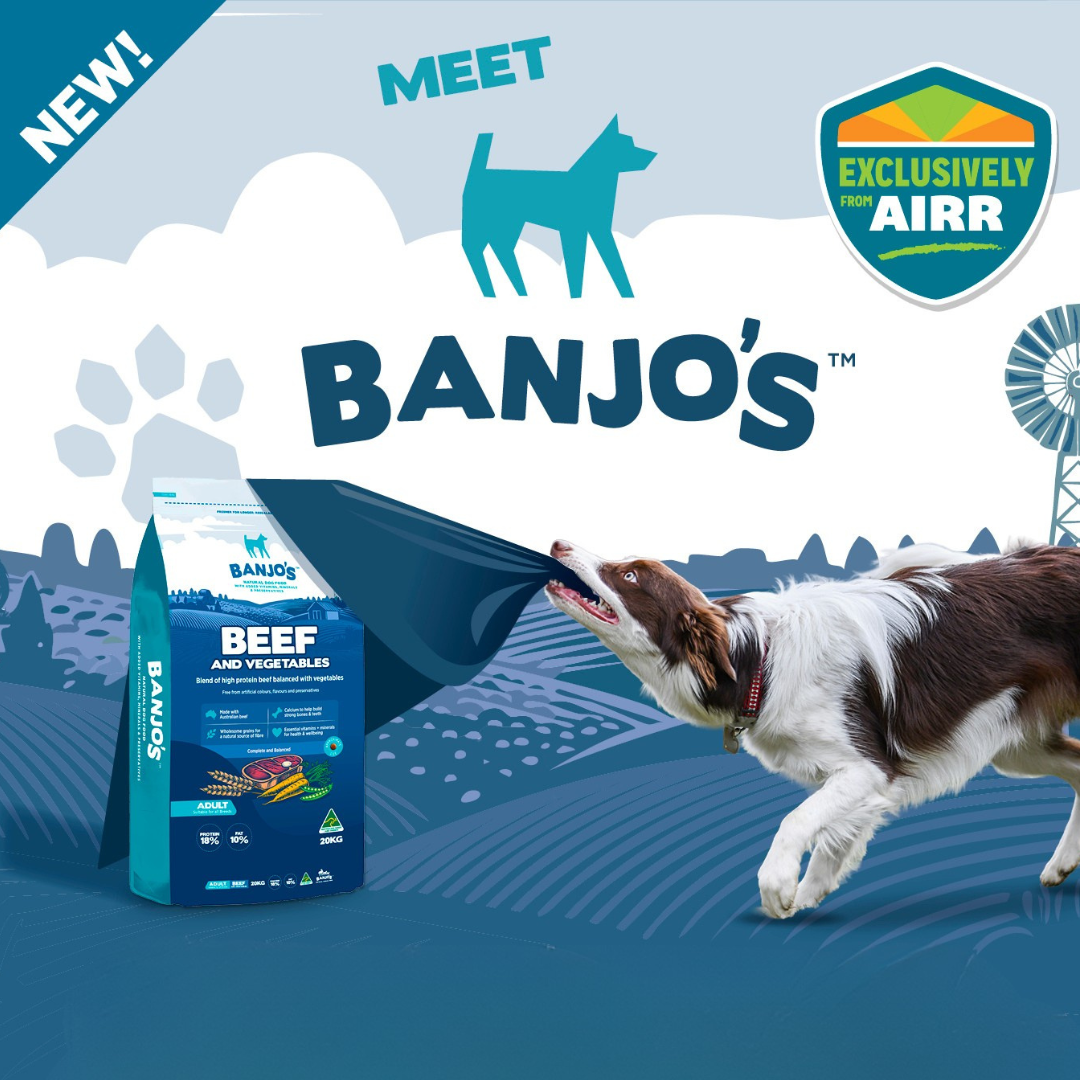
Meet BANJO’S

Banjo’s is made for everyday dogs and the people who feed them.

It’s straightforward, honest dog food built on quality Aussie ingredients and a practical approach to nutrition. No gimmicks, no unnecessary extras — just a balanced feed designed to do the job properly.

Simple, honest ingredients

At the core of Banjo’s is real Australian beef as the primary protein source, sourced from trusted local suppliers. It’s combined with wholesome Aussie grains, vegetables, and essential vitamins and minerals to deliver complete and balanced nutrition for adult dogs.

Everything they need, nothing they don’t.

Natural, everyday nutrition

Banjo’s is designed to support dogs through their day-to-day lives. Whether they’re active, or just part of the family, they need consistent, reliable nutrition.

That means a balance of protein for muscle maintenance, energy from quality grains, and the right mix of vitamins and minerals to support overall health and wellbeing.

It’s not about overcomplicating things. It’s about getting the basics right.

No unnecessary additives

Banjo’s contains no artificial colours, flavours or preservatives.

Instead, it’s preserved naturally using Vitamin E – an antioxidant that helps maintain freshness by protecting the fats in the food from oxidation. It’s a practical solution that keeps the food stable while also contributing to your dog’s diet.

Made for Australian conditions

Banjo’s is proudly Australian made and owned, crafted in Northern NSW using locally sourced ingredients wherever possible.

That matters. It means consistent quality; trusted supply chains and a product built with Australian dogs and conditions in mind.

Complete and balanced

Banjo’s is a complete and balanced food for adult dogs of all breeds and sizes. The kibble size is designed to suit both small and large dogs, making it an easy option for single or multi-dog households.

It’s a feed you can rely on day in, day out